
KrolikoFerma — all farm materials
Everything from the farm website is collected on one page. Click a heading to read the full material.
About the farm
3 materials
 About the Rabbit Farm
A message from the director: the principles of eco rabbit farming and the history of a farm working by a unique breeding method.
A Message from the Rabbit Farm Director
Eco rabbit farming, and any business built on it, rests on one principle: the rabbit farmer is aware of the consequences of their work — both for themselves and for the environment. Choosing this path means taking a step towards a more harmonious coexistence of people and nature.
Rabbits on the farm are raised according to the farm's declared standards. According to the farm, no hormones or growth stimulants of the kind used in intensive (broiler) rabbit farming are used during fattening. Supporting documents are available on request.
Choosing “eco” is not only about food: the concept of conscious consumption is much broader and touches everyday life and society as a whole. There is always an alternative, and when shopping it is worth thinking about the consequences of your choice: buying cheaper does not always mean buying what you need.
For us, eco rabbit farming means caring for the animals rather than maximising output at any cost, as in intensive indoor production. It means working with nature rather than conquering it, and the wish to leave a blossoming garden to future generations.
The “eco” and “bio” movement is the free choice of a person who understands the value of life; it is an active social position and conscious responsibility.
History
The Rabbax Technology project of inventor Yanosh Dyulovich Pogoretski was founded in 2003. The following year, a breeding stock of accelerated-growth rabbits was purchased and housed in a mini-farm for 250 head.
Over the next five years, analysing the performance of this farm, the project expanded its activities. According to the farm, more than 600 other farms used the project's services and products during this time.
We will be glad to see you among our customers!
Sincerely,
Director of the rabbit farm
Documents The farm’s registration and veterinary documents are available on request.
The farm’s registration, veterinary and other documents, as well as documents for its products, are available on request.
To obtain copies of the documents, contact the farm by phone on +7 (707) 559-40-59 or by email at info@krolikoferma.kz.
Rabbit Farm Contacts Address, phone, WhatsApp and email of the rabbit farm in Taraz.
A rabbit farm working according to a unique rabbit breeding method.
Address: Republic of Kazakhstan, Taraz, K. Koigeldy St., 308.
- Administration: +7 (707) 559-40-59
- Management: +7 (707) 559-40-59
- Technologist and sales: +7 (707) 559-40-59
- WhatsApp: +7 (707) 559-40-59
- Email: info@krolikoferma.kz
Breeding method
4 materials
 A unique rabbit breeding method: how the acceleration technology works
A brief look at our unique method: the mini-farm, free-choice feeding, heated drinkers, kits staying with the doe until slaughter. What the method offers and what it requires.
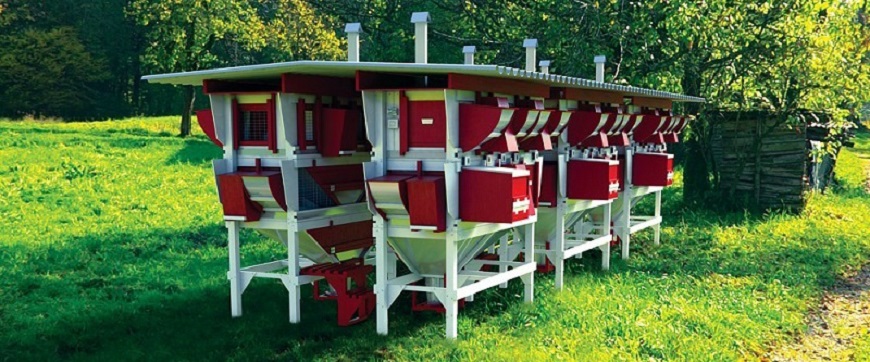
Our method is a technology for accelerated rabbit rearing, known as acceleration. The technology combines three things: a special mini-farm cage, selected animals, and a feeding and care routine. At the KrolikoFerma farm, rabbits are kept according to this method. Below we describe its principles in plain language.
Key principles
- Kits stay with their mother. Young rabbits are not weaned early. They grow up next to the doe and receive her milk much longer than under conventional housing. The authors of the method consider this the main source of fast growth.
- Feed and water at all times. Hopper feeders and drinkers are filled so that the animals can eat and drink freely at any time of day or night.
- Warm water in winter. The drinkers are heated, the water does not freeze, and the rabbits drink as much as they need even in frost.
- Clean air and a dry floor. Manure and urine pass through the mesh floor and a chute into a closed collector, while the air in the cage moves from top to bottom. The animals have less contact with fumes.
- Minimal manual labour. The mini-farm is designed so that one person can look after many animals. Feeders are filled once every few days, and manure is removed together with the collector.
How the mini-farm is built
A mini-farm is a multi-tier structure under a common roof. In the standard version:
- Upper tier: sections for does with litters. They have a nesting compartment where nest heating can be switched on in winter.
- Lower tier: sections for fattening young rabbits after weaning.
- Hopper feeders for pellets and grain and hay racks.
- Heated automatic drinkers.
- A manure chute and collector under the cages.
Mini-farm models differ in size and number of sections. For more on the designs the farm uses, see "Mini-farm cages for rabbits".
Feeding
The diet is based on hay, grain and grain mixes, and pelleted feed. In summer green grass is added, in winter succulent feeds and root vegetables. Feed must be of good quality: mould, rot and sudden changes in diet are dangerous for rabbits under any technology. What exactly the animals on our farm receive is described in the article "Rabbit feeds".
What to expect from the method
Supporters of the method point to fast growth of young rabbits, juicy meat and considerable labour savings. Specific results (fattening time, live weight, number of kits) depend on the animals, feed, climate and how precisely the technology is followed. That is why we do not quote "guaranteed" figures: real performance is best seen on working farms.
Limitations and requirements
- Mini-farms cost more than ordinary cages, and building them requires precision.
- Electricity is needed to heat drinkers and nests in winter.
- The method is designed for animals that tolerate this regime well. Selection and pedigree records are required.
- As with any housing system, veterinary prevention and quarantine of new animals are mandatory.
Where to start
Before buying equipment, see how a working farm operates, calculate feed and sales, and start with a small herd. Tips for beginners are collected in the article "How to start rabbit farming". For technology transfer and partnership, see the "Franchise" page.
 Rabbit Feed
What makes up the rabbits' diet on the farm: hay, compound feed, root crops and succulent feed.
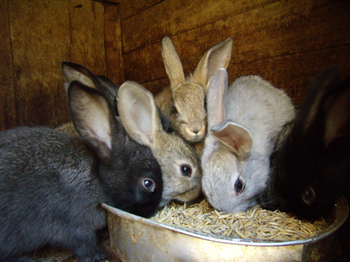
For rabbits to grow normally, gain weight and develop properly, they need a balanced diet. Specialists recommend giving the animals constant access to a feeder and a drinker. When planning the diet, you should take into account the farm's location, the climate, the season and your own resources.
The basis of feeding is good-quality hay, compound feed and root crops. When making hay, take care that no poisonous plants get into the feed. Below is information on the main feeds and plants used on the farm.
Succulent feed
Rabbits are herbivores; in the wild they feed on green vegetation. However, not every plant suits them, so the first rule of a rabbit breeder is: if you do not know what a plant is, do not give it to your rabbits. On the farm the animals are fed the following plants:
- alfalfa;
- sainfoin;
- white and red clover;
- yellow rocket (especially helpful in spring);
- various cereal and legume crops;
- brome grass;
- dandelion;
- Jerusalem artichoke (tops and tubers);
- garden sorrel;
- rhubarb;
- plantain;
- yarrow;
- burdock;
- wormwood;
- nettle.
Feeds used by the farm
There is no point in chasing every new technology just because it is new. The farm uses a proven feed preparation technology: the feeds form the nutritional basis of the diet and are designed for the normal development of the animals. The composition of the feeds and the terms of purchase can be clarified with the farm.
 Mini-farm cages for rabbits
How the mini-farms are built: the “Yurta” and “Kvarta” models, the two-tier mini-farm, the doe tier and the weaning tier.
Mini-farm rabbit cages are a two-tier module and can be used on household plots and farms. Rabbits of any breed can be raised in such cages. The design is intended to reduce the time spent on caring for the animals.
There are several designs of such cages. They have a complex multi-tier structure, and one of their main drawbacks is their high cost.
Model 23 “Yurta” Mini-farm
The “Yurta” mini-farm is designed to house two pregnant does, which are placed in the nesting compartment in turn (at an interval of 50 days).
Model 23 “Kvarta” Mini-farm
The “Kvarta” mini-farm is divided into four sections and is intended for growing young rabbits on to a weight of 4–6 kg.
Two-tier mini-farms
Mini-farms are strictly oriented to the cardinal points. On the north side there is a solid wall that protects the rabbits from cold wind. The tier floor is made of wooden slats; the doors and walls on three sides are mesh. The roof overhangs the cage by 900 mm on the north side and by 600 mm on the south side, and is flush with the beams on the west and east.
The mini-farm consists of a base frame and two tiers, upper and lower. When installed in an open area, a roof is mounted over it. In the upper (weaning) tier the young rabbits are grown on. The tier is divided by a compound feed feeder and a drinker that serve both sides. Each compartment has hinged feeders for root crops and hay racks.
Below is the doe tier, which consists of a nesting compartment and an exercise compartment. Before kindling, a nest box is placed in the nesting compartment; the compartment has a wall with a passage hole, and its door folds down to form a platform. The exercise compartment has the same slatted floor, but the slats run in the opposite direction. It contains a hinged feeder, a hopper feeder and a canister drinker. In the floor of the exercise area there is an opening to an inclined chute connected to a manure collection bin. The chutes need to be inspected and cleaned periodically through special hatches.
One mini-farm can house up to 25 rabbits while occupying about 1.4 m².
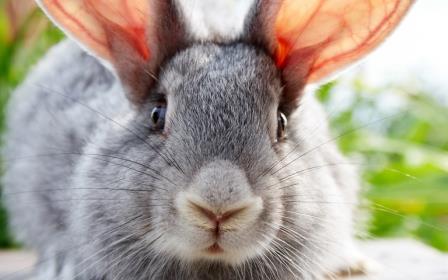 Housing and Feeding Under Our Unique Method
How rabbit housing and feeding are organised on the farm in mini-farms, and what is known about the composition of rabbit meat.
Rabbit meat is classed as so-called white meat. According to reference data, it contains protein, vitamins C, B6, B12 and PP, as well as iron, phosphorus, cobalt, manganese, fluorine and potassium; it is relatively low in sodium salts. The nutritional value of a particular product depends on the animal's age, feeding and housing conditions.
Housing in mini-farms
The farm uses the technology of keeping rabbits in special mini-farms. According to the developer's description, the airflow in the mini-farms is directed not from the bottom up, as in most livestock buildings, but from the top down, which reduces the animals' contact with fumes from manure.
The kits stay with their mother for a long time and receive her milk almost until slaughter — the method's materials describe this as one of its distinctive features.
Feed
The rabbits are raised according to the farm's stated standards: the diet includes compound feed, hay and grain. According to the farm, no hormonal preparations or growth stimulants are used during fattening. Supporting documents, including veterinary ones, are available on request.
Culinary use
Rabbit meat is widely used in many national cuisines (for example, French and Czech): it is used to make stews, pâtés, casseroles, cutlets, zrazy and salads. Rabbit can be braised in its own juices, adding only salt and spices to taste.
The information on this page is for general reference only and is not medical advice. Dietary questions related to illness should be discussed with a doctor.
Products
3 materials
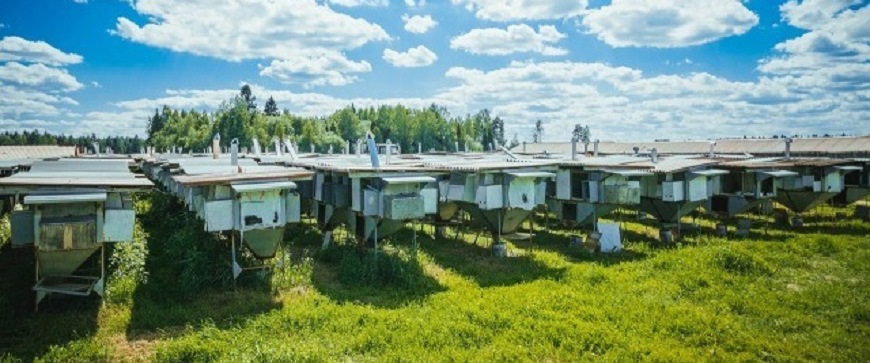 Breeding Rabbits for Sale
A farm in Taraz sells Californian, New Zealand White and Red, Vienna Blue and other rabbit breeds.
The farm sells breeding rabbits of various breeds, as well as rabbit meat wholesale and retail. Pedigree records are kept for breeding animals; information on a specific rabbit is provided on request.
Californian Rabbit
The Californian breed is often chosen for raising on smallholdings. It is an early-maturing meat breed. Most of the weight gain occurs before the age of 4–5 months, and slaughtering at this age usually gives the most favourable ratio of costs to income. According to breed descriptions, these rabbits are prolific and undemanding to keep.
New Zealand Red
New Zealand Red rabbits are usually raised for meat and pelts. The breed matures early, and the animals gain weight quickly. For breeding, it is best to take young rabbits aged 3–4 months.
New Zealand White
A meat and pelt breed. According to breed descriptions, New Zealand Whites are hardier and calmer than the Reds and less sensitive to sudden noises, so they can be kept near other animals. Does of this breed produce 8–12 kits per litter.
Vienna Blue
Vienna Blue rabbits are raised as an ornamental and meat and pelt breed. Their pelts are fairly large, soft and fluffy; they are used to make home décor items and natural fur clothing, and also to imitate the fur of other fur-bearing animals.
Flemish Giant
A large, undemanding rabbit that tolerates various climatic conditions well.
The farm is also interested in the Pannon White and Hycole breeds.
Beginner or Experienced Rabbit Farmer?
Are you an experienced rabbit farmer or just starting to raise meat breeds? Perhaps you are looking for a buck to refresh the bloodline or a proven doe. At our farm you can choose rabbits for breeding or for expanding your herd.
The farm keeps the following breeds:
- Californian;
- New Zealand White;
- New Zealand Red;
- Vienna Blue;
- Silver.
Rabbits can be bought directly at the farm at: 308 K. Koigeldy St., Taraz. We work with customers from various regions of Kazakhstan, including Almaty and Astana, and also consider deliveries to Kyrgyzstan, Uzbekistan, Tajikistan, Turkmenistan and Russia. Large batches must be ordered in advance, with delivery arranged beforehand.
Animals are inspected before sale. Vaccination records and veterinary documents are provided on request. If an obvious health problem or a mismatch with the stated characteristics is found, return terms are discussed with the farm.
Are Your Rabbits Better Than Ours?
Come and compare! We are always glad to talk with knowledgeable people and to exchange experience and breeding rabbits.
I'm Just Starting Out and Have Lots of Questions
Give us a call! We offer advice on raising meat rabbit breeds. Useful materials are also collected in the Knowledge Base section.
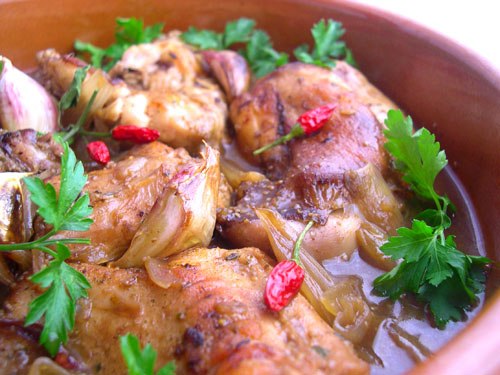 Rabbit Meat
The farm sells rabbit meat wholesale and retail; general information on the composition of rabbit meat and its limitations.
The farm sells meat from rabbits raised according to the farm's declared standards, wholesale and retail. Please check volumes, packaging and delivery by phone. Product documents are available on request.
General Information
Rabbit meat is classed as white meat. According to reference data, it contains protein, B vitamins, vitamin C and nicotinic acid, as well as phosphorus, iron, cobalt, fluorine, potassium and manganese; it is relatively low in sodium salts.
The chemical composition of the meat depends on the rabbit's age: as the rabbit gets older, the meat contains less water, while the share of fat and protein and the energy value increase. The amino acid composition also changes. Carcasses of young rabbits (up to three months old) contain less fat.
Limitations
Like any meat, rabbit meat contains purine bases, which the body converts into uric acid. People with gout, joint diseases and other chronic conditions, as well as parents of young children, should decide whether to include rabbit meat in the diet after consulting a doctor.
The information on this page is for general reference only and is not medical advice.
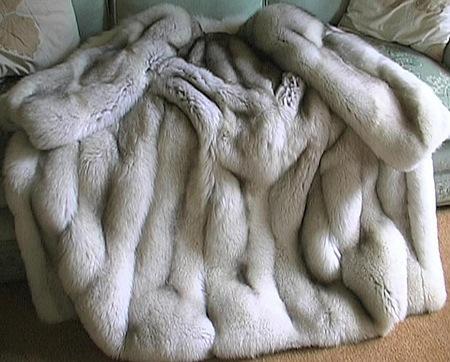 Rabbit fur: how to choose a garment and care for it
How rabbit fur differs from beaver, what Rex and Orylag are, and how to care for a rabbit fur coat.
Rabbit fur is widely used by fur manufacturers: craftsmen can dress rabbit fur to look like beaver, mink and even chinchilla.
Fur that looks like beaver is not always beaver: on the market there are cases where rabbit (Rex) coats are passed off as beaver garments. To avoid a mistake, examine the garment carefully.
How to recognise rabbit fur
- Rabbit fur feels soft whichever way you stroke it. Beaver fur is soft too, but feels stiff against the nap. If the leather side of a beaver pelt is dark yellow, the fur is old and will not last long.
- Ask the seller for the garment's documents stating the type of fur.
- Take along someone who knows fur: an experienced furrier will tell beaver from Rex rabbit in a few minutes.
The main difference is durability: a beaver garment can be worn for five years or longer, a rabbit one noticeably less. Dyeing and shearing extend the wear life of rabbit garments somewhat; sheared rabbit fur resembles velvet, so it is used for more than just outerwear.
Rabbit fur coats and short coats are popular with young people: they are more affordable than mink and can be replaced more often to keep up with fashion.
Rex
Rex is a rabbit breed with even, dense, soft short fur. There are white, coloured and combined colourings (for example, a dark back and light sides). The first short-haired rabbits appeared in France in 1919; for their valuable reddish-brown fur they were named "Castor Rex", the "king of beavers". Dwarf Rex rabbits weigh 1.1–1.25 kg and have a stocky, cylindrical body and dense coat.
Orylag
Orylag is a rabbit breed developed by French breeders from Rex rabbits; the selection took about 15 years. Orylag fur is warm, light and beautiful, and the pelt is thin, soft, elastic and dense. Colours are reddish-brown ("beaver") and grey-white ("chinchilla"); grey-white is rarer and more expensive. The fur takes dye well without losing its sheen.
Orylag is a registered trademark owned by the French National Institute for Agricultural Research (INRA); distribution of this fur is controlled, and only a limited number of farms raise it.
Rabbit fur coats
Rabbit fur coats are light and warm, which is why they are popular. The common belief that this fur protects poorly against cold is not always true: a lot depends on the quality of dressing. With good care a garment will last longer than people tend to think.
A few tips on caring for rabbit fur:
- do not dry fur near heaters;
- dry the coat on a hanger at room temperature, brushing the fur with a soft brush both with and against the nap;
- to protect against moths, store the coat in a cover with an insect repellent (folk remedies include tobacco leaves and orange peel);
- to keep the fur glossy, occasionally wipe it with a cloth lightly moistened with vinegar; dry fur can be brushed with a little glycerine.
For serious cleaning and repairs it is better to go to professionals: many stains cannot be removed at home, and you may ruin the garment.
If a coat made of expensive fur is beyond your budget, consider rabbit fur garments: modern processing offers a wide variety of colours and styles.
Franchise and partnership
2 materials
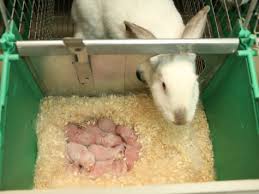 Transfer of Breeding Rabbit Farming Technology
Turnkey equipment, technology transfer and support for a new farm during its first months of operation.
Turnkey equipment is a service offered by the farm: supply of a complete set of rabbit farming equipment with installation and handover at a site specified and prepared in advance by the customer.
After delivery, installation and commissioning, the equipment is ready to be stocked with rabbits and can operate from the first day after handover. The customer also receives the developed technology and work schedules. At the customer's request and for a separate fee, the farm can monitor whether rabbit farming is being run correctly during the first six months — this is usually enough to master the technology, and such support helps reduce the risks associated with learning it.
The goal of the technology transfer is to set up the customer's production of rabbit meat and pelts to the farm's standards. Results depend on compliance with the technology and on the conditions of the specific farm.
Additional Business Lines
Selling manure can become an additional source of income: there is demand for it from greenhouse farms and processing plants. Other possible lines include:
- producing vermicompost from manure;
- dressing pelts and producing felt;
- selling live breeding rabbits (breeding multiplier farm);
- processing by-products (for example, rabbit fat for cosmetics manufacturers or glue from ears) — provided there are buyers and the necessary permits.
The possibility of exporting rabbit meat depends on the veterinary and certification requirements of importing countries.
Some farms install solar panels on farm roofs — the area is well suited for this — and use the energy generated, for example, to power an air conditioner.
The scope of supply, cost and support terms are agreed individually.
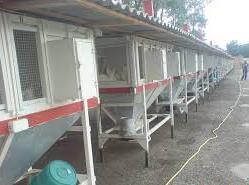 Rabbit Farming Partnership
A cluster rabbit farm: an association of farms working to common standards, sharing experience and leasing breeding stock.
Cluster Rabbit Farm
A cluster rabbit farm unites rabbit farms that follow common husbandry standards and maintain a shared breeding base. Any farm can join: a beginner gains access to breeding standards and methods, while an experienced farmer gets more opportunities to sell their products.
A cluster rabbit farm is created in order to:
- reduce the costs of raising rabbits;
- improve the breed and genetics of the herd;
- create a single platform for developing new breeding standards;
- share experience;
- lease out breeding stock.
Rabbit Farming as a Business
Rabbit meat is in demand, and additional income can come from selling pelts or fur fibre, depending on the chosen breed.
We offer a sample business plan for raising rabbits using our unique method, which we apply on our own farm.
Traditional methods involve keeping rabbits in cramped cages and using growth-promoting additives. Our method involves keeping rabbits in mini-farms without growth stimulants; some buyers look specifically for such products.
For a small business, one development option may be choosing modern husbandry technologies. It is worth enquiring about current government support programmes for farms at local akimats and relevant organisations.
We offer technology and partnership. Terms are agreed individually.
Articles
8 materials
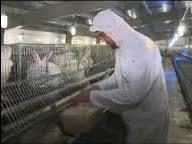 Modern Rabbit Farming Technologies
An overview of global rabbit farming and the directions of its technical development (based on 2013 data).
Rabbit farming is one of the most promising branches of animal husbandry. Rabbits are highly prolific and mature early: one doe can produce 5–6 litters a year, more than 30 kits and about 60–70 kg of rabbit meat in live weight.
Rabbit Farming Worldwide
Rabbit farming is developing in many countries, driven by a shortage of animal protein and, in developed countries, by the desire to diversify diets. According to 2013 data, the world produced between 1 and 3 million tonnes of rabbit meat. The leading producers were China, Italy, Spain, France and Ukraine: China produced 315–409 thousand tonnes of rabbit meat in carcass weight annually, Italy 221–300 thousand, France and Ukraine about 150 thousand each, and Spain 135–137 thousand tonnes. They were followed by the Czech Republic (38.5 thousand tonnes), Germany (34.0), Hungary (12.7), Russia (7.0) and Bulgaria (5.0).
The leading exporters of rabbit meat were China, Belgium, Poland, Hungary and Spain, and the main importers were Italy, Belgium, France, the United Kingdom and Switzerland. Per capita consumption of rabbit meat was about 6 kg a year in Italy and about 3 kg in France. Rabbit farming serves as a significant additional source of meat resources.
Directions of Development
The main direction of the industry's development is technical re-equipment and the transition to industrial production. This places new demands on rabbit husbandry technology, on equipment for mechanisation and automation, and on the design of buildings and structures on which large rabbit farms and complexes are based.
In recent years, the economic appeal of rabbit farming has attracted new supporters to the industry. However, on many farms where rabbits have been raised for a long time, the technology has hardly changed. Keeping rabbits in buildings with a controlled microclimate, automating labour-intensive processes and feeding complete pelleted feeds help reduce production costs and increase productivity.
Technology for Keeping Young Rabbits Under an Open Shed
Experience of setting up group cages under an open shed: dimensions, drinkers, hopper feeders and feeding during fattening.
The open shed for young rabbits (like the other sheds on the farm) is 40 metres long and 3 metres wide. The cages are arranged in a single tier. The shed is open at the sides; the back walls of the cages are clad with wood, and the other walls are made of mesh.
Group Cage Design
To save money, the small group cages with an area of 0.6 m² are made non-removable. Hay racks are not needed: kits weaned at 45 days reach the hay through the ceiling mesh when the cages are 38–40 cm high. The mesh openings are enlarged (35×35 mm); as an exception, chain-link mesh with 50×50 mm openings will also do.
Additional savings come from dropping one of the adjoining partitions and the hay racks; the labour needed to build non-removable cages is also lower, and large-opening mesh is cheaper. For watering the kits, instead of two one-litre plastic buckets, a single 3-litre bucket is installed. It is taller than the one-litre bucket, but weaned kits can usually already reach the water; if necessary, a step can be placed for the first week. In the author's experience, such a bucket is suitable for watering kits.
With dry feeding, especially on pelleted compound feed, rabbits need a great deal of water, so the capacity of the drinkers has been increased. The more protein in the feed, the more water the animals require.
Three litres of water last 6–7 kits (exactly the number kept in a group cage) for 2–2.5 days. Another advantage of a tall drinker is that droppings do not get into it. A strip of izol roofing material is laid on the ceiling mesh: it protects the drinkers below from falling hay. The hopper feeders in the fattening unit have also been enlarged — they hold about 7 kg of concentrates, which is enough for 2–3 days.
The drinkers are mounted on the doors, and the tilting feeders on the rest of the front. The dimensions of the drinkers and hoppers determine the length of the cages — 80 cm; the cage depth is 75 cm, which makes it easy to reach any rabbit. The height from the cage floor to the ceiling mesh is 38–40 cm, and from the ground to the cage floor 1 m. The floors are slatted, made of wooden bars with a cross-section of 25×30 mm. In the author's experience, mesh floors are preferable for rabbits, but galvanized welded mesh with 16×48 mm openings is too expensive for many rabbit breeders. Mesh floors are not suitable for giant rabbits.
Daily Care
To keep the rabbits from gnawing the wooden bars, it is advisable to put branches of deciduous trees in the cages: rabbits love bark, which is rich in fibre, usually lacking with dry feeding. The rabbits can be fed and watered without opening the doors — everything is loaded and poured from the outside. This design makes it possible to tend the rabbits in a 40-metre shed in 20–30 minutes once a day. Hay is placed on the ceiling mesh with a supply for roughly a month; to keep the wind from blowing it away, the space above the cages up to the roof is closed off with a lattice of bars or metal mesh. Manure is removed once a month.
According to the author's calculations, with a farm area of 15 sotkas (0.15 ha) and 150 does (the workload for one rabbit breeder), 4,500–5,000 broiler-breed rabbits, or 7–8 t of rabbit meat, can be raised for meat per year.
Feeding During Fattening
On such a farm, slaughter takes place at 90–110 days of age; rearing of young rabbits and fattening are combined. The protein content of the feed should be 15–17% — this level is considered optimal for raising broilers. If succulent or green feed is given, labour productivity drops noticeably and the risk of losses increases.
Sudden changes of feed in the diet during the year are undesirable. If a change is unavoidable, make it gradually and carefully. Not all concentrates, even good-quality ones, suit kits: until their gastrointestinal tract has formed, the young are very vulnerable. The author of the original material recommended the complete compound feed PK-93 from the Zhabinka Feed Mill (Brest Region, Belarus); also suitable for young rabbits are compound feed for fingerling fish, which contains enzymes and a lot of protein, and compound feeds for young piglets, calves and poultry.
On small home farms, kits can also be fed wet mashes based on potato and pumpkin purée; clean feeders are a must.
If the rabbits are raised on compound feed, give them a vitamin and mineral premix. If there is no premix, add carrots to the diet, and in winter conifer branches and fish oil. With proper feeding and well-organized breeding selection, broiler kits can reach 3 kg at 2.5 months.
Cage turnover under this intensive technology is very high. There is no need to castrate the males: at this age there is usually no serious fighting between them. The author notes that with this technology it is possible to keep both the cages and the air clean. Complete compound feed contains up to 30% grass meal.
 Meat rabbit breeds: how to choose
Californian, New Zealand, Flemish Giant, giants and others: how popular breeds differ and what to look for when buying breeding stock.
A breed is more than the weight of an adult rabbit. It determines early maturity, fertility, meat yield, pelt quality and how well the animals cope with the climate and housing system. Below is a brief description of breeds often raised on farms. The figures are approximate averages: they vary between specific lines and with different feeding.
Popular breeds
| Breed | Adult weight, kg | Purpose | Features |
|---|---|---|---|
| Californian | 4–5 | meat | White with dark "points" on the nose, ears and feet. Early-maturing, well suited to mesh floors. |
| New Zealand White | 4.5–5 | meat | One of the most widespread commercial breeds: fast growth, good meat yield. |
| New Zealand Red | 4.5–5 | meat | Red colouring, undemanding, calm temperament. |
| Flemish Giant (Belgian Giant) | 6–8 and more | meat and fur | Very large, but matures later and needs more feed and space. |
| White and Grey Giant | 5–6 | meat and fur | Large and hardy; the does are usually good mothers. |
| Soviet Chinchilla | 4.5–5 | meat and fur | Valuable silvery pelt, tolerates cold well. |
| Vienna Blue | 4–5 | meat and fur | Beautiful blue fur, hardiness. |
How to choose a breed for your farm
- Goal. If you sell meat, early maturity and carcass yield matter: Californian and New Zealand breeds. If the pelt matters too: Chinchilla, the giants, Vienna Blue.
- Market. Meat buyers often prefer a carcass of 2–3 kg. Large breeds give more meat, but later.
- Climate and cages. Large breeds need a roomy cage and a sturdy floor. Breeds with dense fur on their feet cope better with mesh floors.
- Feed. The larger the rabbit, the more feed it eats before slaughter. Calculate the feed cost per kilogram of weight gain.
What to look for when buying
- Buy from a farm that keeps pedigree records and can show you the parents.
- A healthy rabbit is active, with clean eyes, nose and ears, a glossy coat and normal droppings.
- Ask which vaccinations have been given and request the veterinary documents.
- For breeding, choose an unrelated buck and does to avoid inbreeding.
- Keep new animals in quarantine, separate from your own herd, for about a month.
To see which breeds our farm offers, visit the "Breeding rabbits for sale" page. Other farms are in the catalogue.
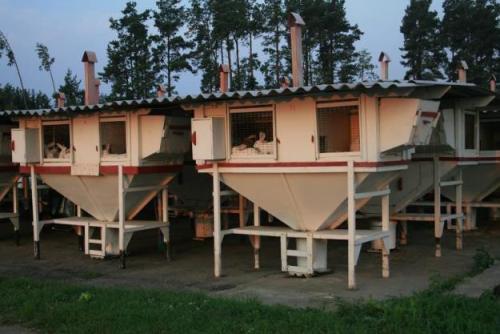 Kindling and raising kits: a week-by-week calendar
From mating to weaning: gestation length, nest preparation, the first days of a kit's life, the switch to solid feed and common mistakes.
Survival of young stock is the key indicator on which a rabbit farm's income depends. Most losses happen in the first weeks of life, and many of them can be avoided with preparation. The timings below are typical; they vary slightly between breeds and individual does.
Mating and pregnancy
- The doe is taken to the buck, not the other way round: on her own territory the doe may behave aggressively.
- Pregnancy lasts 30–31 days on average (usually 28 to 33 days).
- Pregnancy can be checked by palpating the abdomen 10–14 days after mating. Do this carefully or ask an experienced rabbit breeder to show you.
- Record mating dates: without a log it is easy to miss a kindling.
Preparing for kindling (3–5 days before)
- Put in or clean the nest box and fill it with clean soft hay or straw.
- The doe starts building a nest and pulling out her fur; this is normal.
- Water must always be available: lack of water before and after kindling is a common cause of problems with the litter.
- Eliminate noise, strong smells and unnecessary visits by strangers.
Kit development week by week
| Age | What happens | What to do |
|---|---|---|
| Day 0–1 | Kits are born naked and blind, usually 6–10 per litter. | Check the nest carefully and remove any dead kits. Rub your hands in the bedding first so as not to leave a foreign scent. |
| Week 1 | Fur grows; the kits only sleep and suckle. | Make sure all of them are well fed: fed kits have round bellies. Keep the nest warm. |
| Week 2 | Eyes open (around day 10–12). | Do not disturb the nest unless necessary. |
| Week 3 | Kits leave the nest and try their mother's feed. | Put good-quality hay and feed where they can reach it. |
| Weeks 4–6 | Transition to independent feeding. | Introduce new feeds gradually. This is the most dangerous period for the gut. |
| Weaning | Under conventional housing, at 30–45 days. Under our method, young rabbits stay with their mother much longer. | Wean in groups, without abrupt changes in feed or conditions. |
Common mistakes
- No water, or frozen water. A doe without water may kill her litter.
- A cold or wet nest. For the first two weeks kits cannot keep themselves warm.
- Abrupt feed changes at weaning. This leads to digestive upsets in young rabbits.
- Frequent disturbance. Unnecessary checks and strangers make the doe nervous.
- No records. Without a log it is hard to tell which doe is a good mother and which is better culled.
If kits die, the doe refuses to nurse, or there are signs of illness, contact a veterinarian. On prevention, see the article "Preventing rabbit diseases".
Rabbit Disease Prevention: Vaccination and Biosecurity
Which diseases threaten a rabbit herd, why quarantine and vaccinations matter, and how to protect your farm. Treatment plans are prescribed only by a veterinarian.
This article is general guidance for farm owners. It does not replace a consultation with a veterinarian. Vaccination and treatment schedules, medicines and dosages are prescribed only by a veterinary specialist.
Disease spreads quickly in a rabbit herd: the animals live close together, and some infections are carried by insects, feed and on footwear. Prevention costs far less than losing the herd.
Dangerous diseases
| Disease | Why it is dangerous | Main protection |
|---|---|---|
| Rabbit haemorrhagic disease (RHD) | Progresses very rapidly, often without noticeable signs; high mortality. | Vaccination according to the veterinarian's schedule, quarantine, disinfection. |
| Myxomatosis | A viral disease transmitted by blood-sucking insects. | Vaccination, protection from mosquitoes and fleas. |
| Coccidiosis | A parasitic intestinal disease, especially dangerous for young rabbits. | Cleanliness, dry floors, good-quality feed; preventive programmes only as prescribed by a veterinarian. |
| Pasteurellosis and respiratory infections | Snuffles, lung disease, deaths. | No draughts or dampness, ventilation without an ammonia smell, quarantine. |
| Ear mites (psoroptosis) | Itching, crusts in the ears, the animals lose weight. | Regular ear checks, treatment as prescribed by a veterinarian. |
Biosecurity rules
- Quarantine. Keep new animals separately for about 30 days. Only after that can they be introduced to the main herd.
- Restricted access. Visitors approach the cages only in a change of footwear or shoe covers. It is better to limit tours during outbreak season.
- Feed and water. Do not use mouldy feed or grass from places where wild rabbits and hares may have grazed.
- Insect protection. Screens, repellents, cleanliness around the farm.
- Cleaning and disinfection. Clean cages and equipment regularly. Disinfect with products approved for livestock premises, strictly following the instructions.
- Isolating sick animals. Separate any animal showing signs of illness immediately and have it seen by a veterinarian. Do not throw away dead animals — dispose of them according to the rules and notify the veterinary service.
Daily inspection
Every day, pay attention to appetite and water intake, droppings, eyes, nose and ears, breathing and behaviour. A rabbit that is not eating and sits hunched up needs attention the same day.
Documents for sale
Veterinary documents are required to sell and transport animals and products. Check the exact list and procedure with your district veterinary service.
Keeping Rabbits in Winter
Rabbits tolerate cold better than dampness and draughts. How to prepare your farm for winter: water, diet, nests and ventilation.
Adult rabbits with a good coat tolerate frost better than dampness, draughts and heat. In winter the main tasks are to keep the water from freezing, to provide enough feed for the animals to keep warm and to keep the cages dry.
Preparing the farm
- Shield the cages from wind and snow on the windward side, but do not seal them: ventilation is needed in winter too.
- Check the roof and gutters: dripping water and ice inside the cages are unacceptable.
- Insulate the nesting boxes. If you have electricity, prepare nest heating for winter kindling.
- Stock up on hay and grain until spring, taking the size of the herd into account.
Water
In winter rabbits eat more dry feed, so they need water at all times. Icy or frozen water is a common cause of reduced appetite and problems in does. Heated drinkers work best (they are included in our mini-farms). If there is no heating, pour in warm water several times a day.
Winter diet
- Hay — unlimited, of good quality, free of dust and mould.
- Grain and pellets — energy requirements are higher in winter, so rations are increased.
- Succulent feed — carrots, fodder beet, pumpkin, a little good-quality silage. Do not give frozen or rotten root crops.
- Branches — willow, apple, birch and other safe species: enrichment and for wearing down teeth.
Winter kindling
Winter kindling is possible with a warm nest and plenty of water. Kits born in winter often grow up strong. The key is a warm nesting box, a thick layer of bedding and daily checks.
What to avoid
- Damp bedding and wet floors.
- Closed rooms with an ammonia smell: it damages the respiratory tract.
- Abrupt changes of diet when switching from summer to winter feed — make the transition over 1–2 weeks.
Business Plan for a Rabbit Breeding Farm A sample business plan for a rabbit farm based on a unique breeding method: production, costs and sales.
Production Section
Breeding rabbits using our method involves keeping the animals in special mini-farms. A mini-farm is installed on an open site and takes up 1.4 m². It holds up to 30 rabbits, 13 on average.
According to the method's developer, one mini-farm requires 500 kg of compound feed and 250 kg of hay per year, and one accelerated-growth rabbit 14 kg of compound feed and 7 kg of hay. Output is one rabbit (4–6 kg) every 10 days, and capital turnover is about 100 days.
There are several mini-farm models, including two-tier ones. How many of them your farm will have is up to you: they do not require much space. For example, a farm of 16 mini-farms takes up about one sotka (100 m²) of a household plot. According to the developer, it can be tended once a week, and its output is about ten large rabbits per week.
Work on the farm is mechanized: there are hay feeders, an automatic drinker and a gravity-fed compound feeder, so, according to the developer, tending takes 30–40 minutes a week. The mini-farms need heating only when the temperature drops below +10 °C; power consumption is 30 W.
Training in the method was provided at the main farm in St. Petersburg, where literature and mini-farm drawings could also be ordered. Other farms also helped to set up such a business, for example Kaligula (Novosibirsk) and the BelAKRO educational, research and production complex (Belgorod) — the information is given as of 2013.
One farm is not enough to get the maximum return: it is advisable to organize processing of the products, sewing of goods from the pelts and production of vermicompost.
Costs and Income
Approximate figures from the original material (2013); they need to be updated before use.
- Building a mini-farm yourself or to order — from 5 to 20 thousand tenge without additional equipment.
- Output per mini-farm — from 100 kg of meat and 55–60 pelts.
- Payback period — from six to eight months.
- Efficient production is recommended from 300 mini-farms: costs of about 350 thousand tenge per year (excluding the cost of the farms and taxes), income of about 1.5 million tenge.
Overview
Many aspiring entrepreneurs, especially those with ties to the countryside, want to know how profitable rabbit breeding is. Below is an example of a business plan that covers the main aspects of such a business and helps draw conclusions about its profitability. Rabbits can be bred not only in villages, but also in the suburbs of large cities and in garden communities.
The business plan provides for opening a rabbit breeding farm to sell meat, liver and pelts. The legal form is a sole proprietorship (individual entrepreneur): this simplifies taxation, bookkeeping and settlements with buyers. The farm is designed for 60 head.
The project's chances of success are rated as moderate: demand for rabbit meat is low and depends on the region, so much depends on the ability to find buyers.
Market Analysis
In this section, describe in detail the market for similar farms in your region and list potential wholesale and retail buyers and their purchase volumes.
Production Plan
- Choose a plot of land, preferably with minimal rent. The minimum size is 5 sotkas (500 m²): enough for cages and outbuildings.
- Build or buy cages. Homemade cages from materials at hand save money, while ready-made ones are more convenient and functional.
- Buy the initial stock. This plan assumes 60 head: 20 bucks and 40 does.
- After stocking, hire a worker to look after the farm and buy compound feed.
Sales Plan
The sales plan must be settled before starting work, otherwise you may be left with surplus products. The main buyers are meat markets, supermarkets, private meat sellers and individuals. Pelts are often bought by fur workshops and fashion designers. Sales success depends largely on proximity to large cities.
Financial Plan
This section calculates the costs of setting up the farm and the potential income. Part of the offspring can be kept to expand the farm, and then volumes will grow proportionally.
Such a farm can pay for itself in less than a year, but this business has its own difficulties, so it suits those who are ready to take it seriously.
How to Start Breeding Rabbits Answers to common beginner questions: how hard it is to breed rabbits, where to look for information and how to start without unnecessary mistakes.
Rabbit farming as a separate type of business — how serious is it, or is it more of a hobby? Many people considering this field ask this question. Everyone wants to know whether breeding rabbits is profitable, how difficult it is and whether anyone can do it. Profitability depends on many conditions, but caring for rabbits as such is within the power of both a teenager and an elderly person. We usually answer questions on this subject by saying that everything here is simple, but there are nuances to keep in mind.
A Bit of History
Rabbit farming has long been regarded as a branch of animal husbandry. Like other animals, rabbits were bred for food by many peoples of the world. On long campaigns, military commanders carried cages with animals, including rabbits, in their baggage trains so as to always have fresh meat. Rabbit farming became most widespread in European countries.
The field remains relevant today. Just 10–15 years ago there were a great many rabbit breeders, but because of problems with keeping and breeding, interest in the industry has declined noticeably. The cause of the difficulties is not the animals but people themselves.
Why Many People Fail
The situation can be compared to buying complex household appliances: many people do not read the manual and press buttons at random. An appliance can be repaired afterwards, but a rabbit in such a case will simply die.
Many recall that they or their relatives once kept rabbits — and hearing how it was done, one often feels sorry for the animals: they are kept in pits where the owner cannot even count the stock, or in vegetable crates where a rabbit sits in its own manure for months.
The reasons for such treatment are a lack of knowledge about breeding and keeping rabbits, an unwillingness to invest in proper conditions, the absence of a feed supply and plain carelessness.
The main problem for a beginner is the scarce and contradictory information in specialized publications. It is often outdated or does not reflect reality. Some “experts” make money not from rabbits but from novice rabbit breeders: they sell publications that require buying follow-up volumes and run paid seminars.
A lecturer's competence is easy to check by asking a few specific questions. A real expert will answer them with ease, while an incompetent one will start saying that a livestock specialist or a veterinarian needs to be called in.
How to Start
- Do not rush and act step by step, without making spontaneous decisions — this will save money.
- Find out whether there is a rabbit farm in your area. If possible, look at the housing conditions and talk to the livestock specialist — they will give you your first advice.
- Decide where you will keep the rabbits.
- Select literature on rabbit breeding and veterinary care. Keep in mind that some publications are outdated and some authors promote one method while rejecting all others — compare sources.
- Do not buy many rabbits at once — start with a small stock. No theory can replace practical skills, and mistakes at the beginning are inevitable; the main thing is to keep them to a minimum.
- Do not hesitate to consult those who breed rabbits professionally.
At the first stage, it is best to rely on other people's experience and, on that basis, work out your own technology of keeping and breeding that is convenient for both the animals and the people.