This article is general guidance for farm owners. It does not replace a consultation with a veterinarian. Vaccination and treatment schedules, medicines and dosages are prescribed only by a veterinary specialist.
Disease spreads quickly in a rabbit herd: the animals live close together, and some infections are carried by insects, feed and on footwear. Prevention costs far less than losing the herd.
Dangerous diseases
| Disease | Why it is dangerous | Main protection |
|---|---|---|
| Rabbit haemorrhagic disease (RHD) | Progresses very rapidly, often without noticeable signs; high mortality. | Vaccination according to the veterinarian's schedule, quarantine, disinfection. |
| Myxomatosis | A viral disease transmitted by blood-sucking insects. | Vaccination, protection from mosquitoes and fleas. |
| Coccidiosis | A parasitic intestinal disease, especially dangerous for young rabbits. | Cleanliness, dry floors, good-quality feed; preventive programmes only as prescribed by a veterinarian. |
| Pasteurellosis and respiratory infections | Snuffles, lung disease, deaths. | No draughts or dampness, ventilation without an ammonia smell, quarantine. |
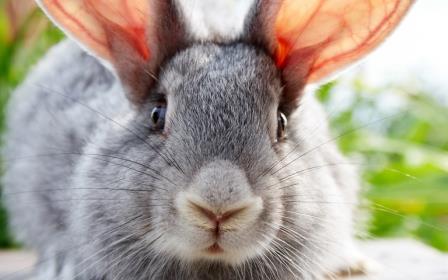
| Ear mites (psoroptosis) | Itching, crusts in the ears, the animals lose weight. | Regular ear checks, treatment as prescribed by a veterinarian. |
Biosecurity rules
- Quarantine. Keep new animals separately for about 30 days. Only after that can they be introduced to the main herd.
- Restricted access. Visitors approach the cages only in a change of footwear or shoe covers. It is better to limit tours during outbreak season.
- Feed and water. Do not use mouldy feed or grass from places where wild rabbits and hares may have grazed.
- Insect protection. Screens, repellents, cleanliness around the farm.
- Cleaning and disinfection. Clean cages and equipment regularly. Disinfect with products approved for livestock premises, strictly following the instructions.
- Isolating sick animals. Separate any animal showing signs of illness immediately and have it seen by a veterinarian. Do not throw away dead animals — dispose of them according to the rules and notify the veterinary service.
Daily inspection
Every day, pay attention to appetite and water intake, droppings, eyes, nose and ears, breathing and behaviour. A rabbit that is not eating and sits hunched up needs attention the same day.
Documents for sale
Veterinary documents are required to sell and transport animals and products. Check the exact list and procedure with your district veterinary service.