Rabbit meat is classed as so-called white meat. According to reference data, it contains protein, vitamins C, B6, B12 and PP, as well as iron, phosphorus, cobalt, manganese, fluorine and potassium; it is relatively low in sodium salts. The nutritional value of a particular product depends on the animal's age, feeding and housing conditions.
Housing in mini-farms
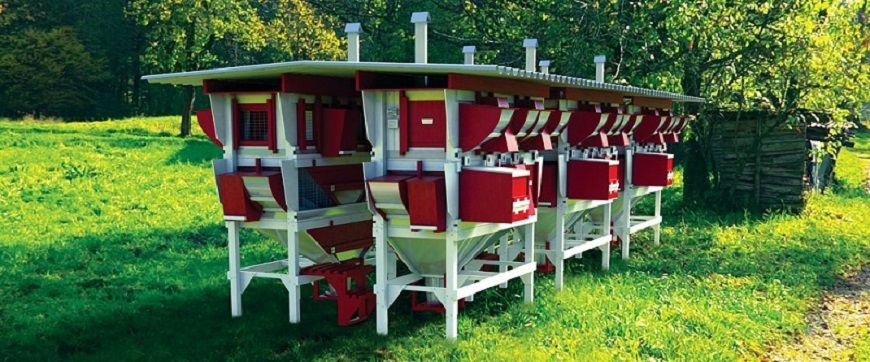
The farm uses the technology of keeping rabbits in special mini-farms. According to the developer's description, the airflow in the mini-farms is directed not from the bottom up, as in most livestock buildings, but from the top down, which reduces the animals' contact with fumes from manure.
The kits stay with their mother for a long time and receive her milk almost until slaughter — the method's materials describe this as one of its distinctive features.
Feed
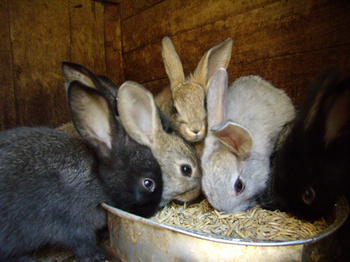
The rabbits are raised according to the farm's stated standards: the diet includes compound feed, hay and grain. According to the farm, no hormonal preparations or growth stimulants are used during fattening. Supporting documents, including veterinary ones, are available on request.
Culinary use
Rabbit meat is widely used in many national cuisines (for example, French and Czech): it is used to make stews, pâtés, casseroles, cutlets, zrazy and salads. Rabbit can be braised in its own juices, adding only salt and spices to taste.
The information on this page is for general reference only and is not medical advice. Dietary questions related to illness should be discussed with a doctor.