Beef cattle farming is one of the main activities of farms in Kazakhstan. It requires land, feed and patience: at least two years pass between buying heifers and selling the first bull calf. On the other hand, the herd grows by itself, and demand for beef is stable.
Choosing a breed
| Breed | Features |
|---|---|
| Kazakh Whiteheaded | A domestic beef breed adapted to the steppe climate and year-round pasture keeping. |
| Auliekol | A Kazakhstani beef breed, polled, gains weight well on pasture. |
| Hereford | A world-renowned beef breed, docile, makes good use of pasture. |
| Aberdeen Angus | Polled, easy calving, marbled meat; more demanding in terms of feed. |
| Simmental | A dual-purpose (beef and dairy), large-framed breed. |
Beginners are often advised to choose local and well-adapted breeds: they cope with the climate more easily and are cheaper to keep.
Housing and feed
- Pasture is the foundation of beef cattle economics. Calculate how many hectares per head you need in your zone and how much hay to make for the winter.
- Wintering — a shed or building protected from the wind, with dry bedding; stocks of hay, straw, silage and concentrates.
- Water — constant access; in winter, frost-free drinkers.
- Salt and mineral supplements — licks available freely.
Veterinary care and record keeping
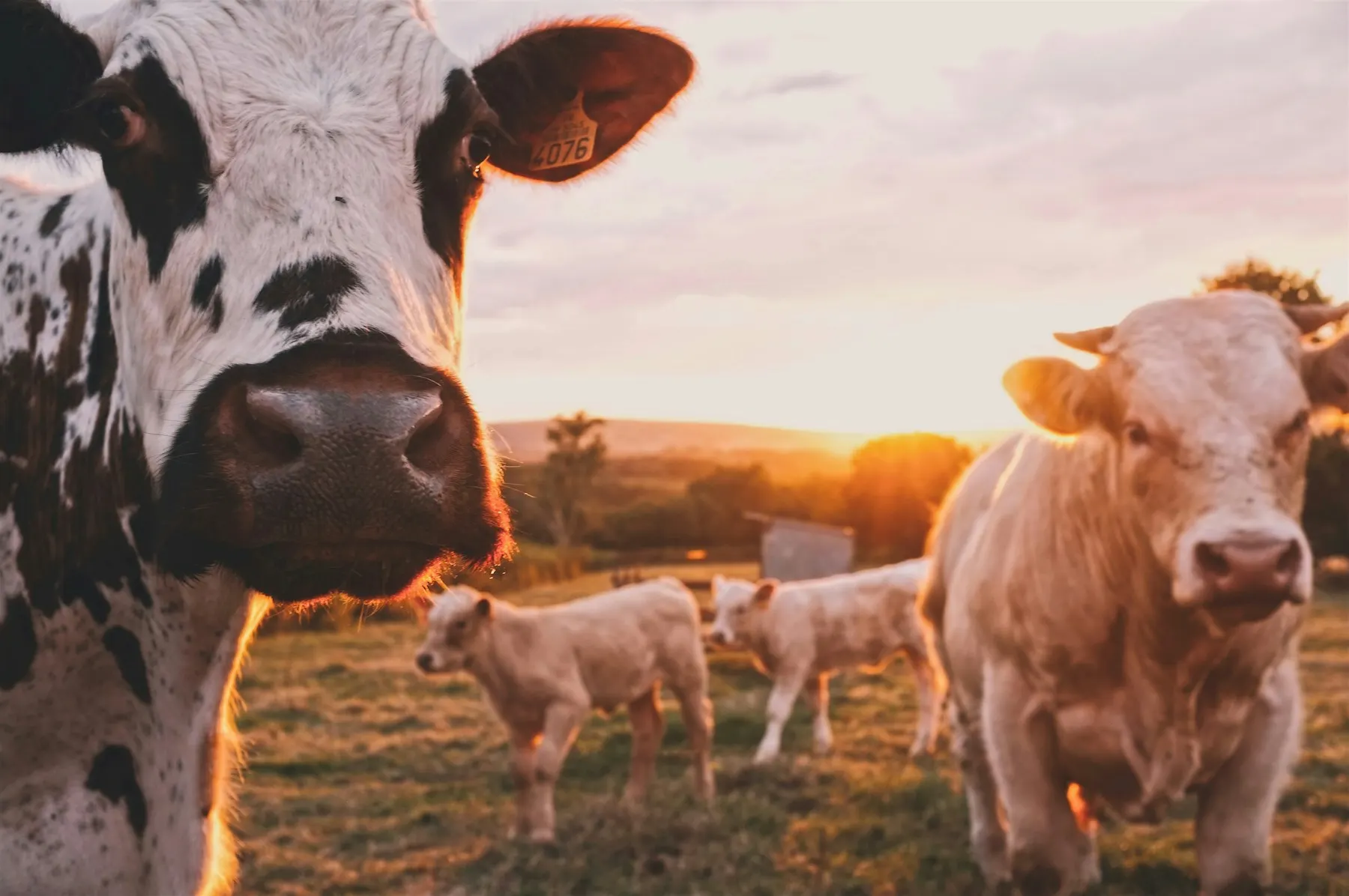
- In Kazakhstan, farm animals are subject to mandatory identification: an ear tag or another marking method and registration in a database. Check the procedure with the veterinarian in your rural district.
- Scheduled testing and vaccinations are carried out in accordance with veterinary regulations. Without them, you will not be able to sell animals or meat.
- Keep a log: calvings, weighings, vaccinations, purchases and sales.
Start-up costs
- breeding cows and a pedigree bull;
- land (leased or owned) and feed harvesting;
- winter housing, pens, drinkers;
- machinery for forage harvesting or a contract with a contractor;
- veterinary services.
There are government programmes of concessional lending and subsidies for purchasing breeding stock. Terms change, so check the current requirements with your local akimat, the agriculture department and the financial operators of government programmes.
Sales
Bull calves are sold to feedlots or meat-processing plants, or farmers fatten them themselves and sell the meat. Place your farm's page in the catalogue and your sale listings in the “Classifieds” section — that way buyers will find you directly.